Powerlifting Gear Reviews, Comparisons & Competition Guides
Practical help for choosing belts, knee sleeves, wrist wraps, singlets and pulling accessories — plus sizing, meet-day preparation and current competition-rule guidance.
Competition claims are checked against current federation sources. Approval can depend on the exact product model and the federation running your meet.
Start by Gear Type
Go straight to the fit, sizing or setup question you are trying to solve.
Latest Powerlifting Guides
New practical guides covering sizing, competition fit, equipment checks and meet preparation.
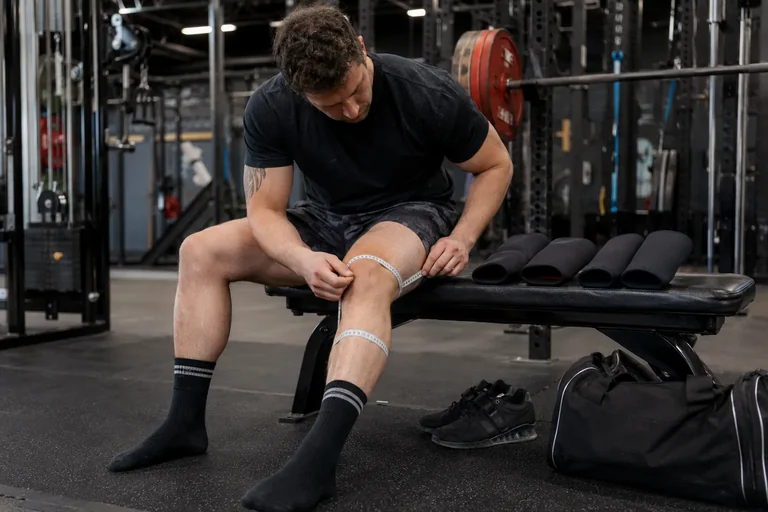
Knee Sleeve Sizing Guide: Training Fit vs Competition Fit
Measure knee and calf circumference, understand training vs competition fit, and know when sizing down makes sense.
Read guide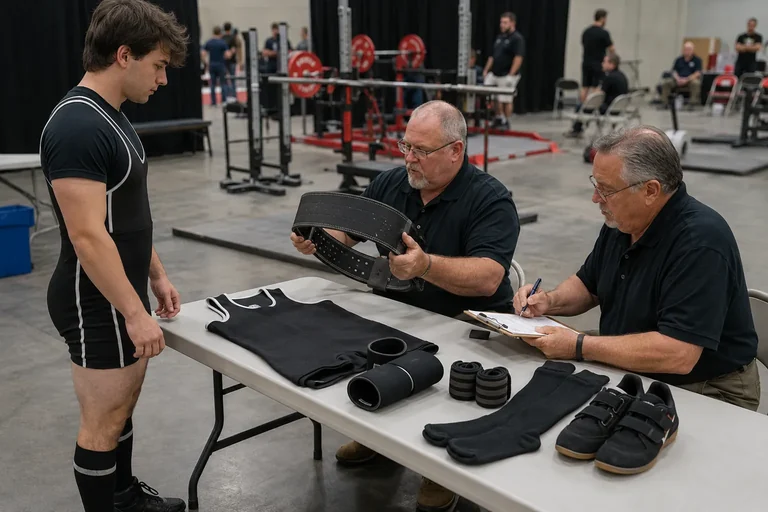
IPF Equipment Inspection 2026: What Referees Actually Check
What can be checked or rejected, key gear limits, and how to prepare before meet day.
Read guide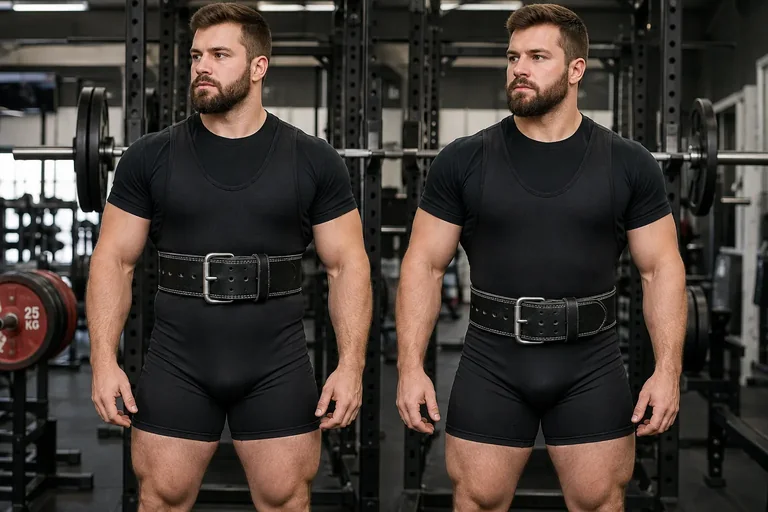
Powerlifting Belt Placement: High vs Low for Squats and Deadlifts
Find a belt position that works with your torso, bracing style, squat and deadlift setup.
Read guide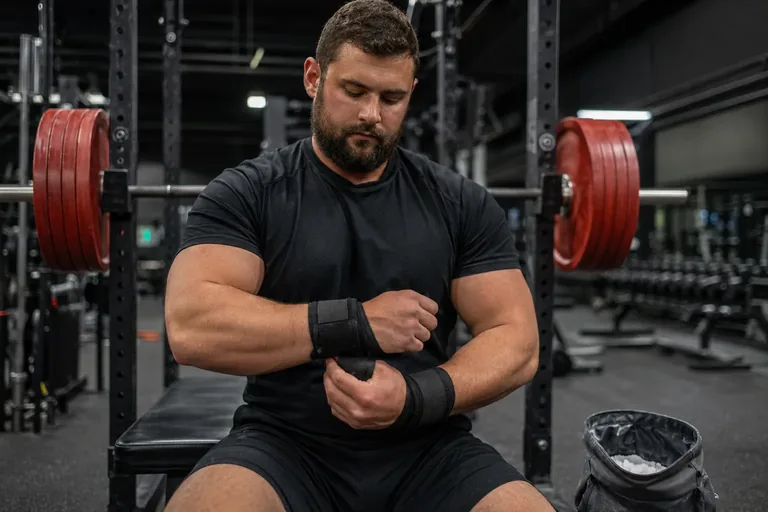
How to Wear Wrist Wraps for Powerlifting: Position, Tightness & IPF Rules
Position and tighten wraps for bench and squat while staying within current competition limits.
Read guide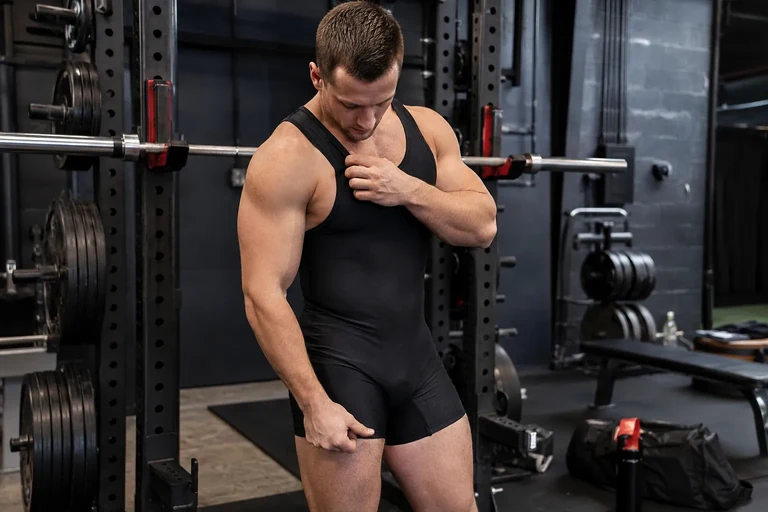
Powerlifting Singlet Guide: How It Should Fit and What to Wear Under It
Fit, sizing, clothing layers, belt setup and knee-sleeve clearance for competition.
Read guide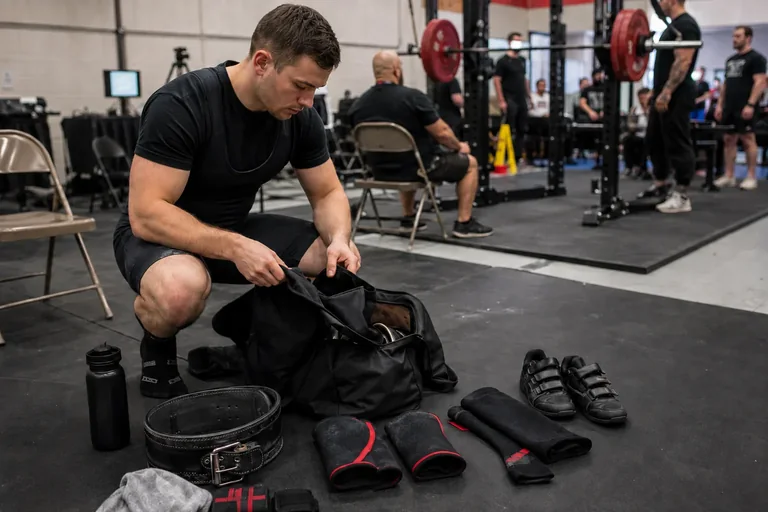
First Powerlifting Meet Checklist: What to Bring, Wear & Expect
Pack your gear, plan weigh-in and warm-ups, learn the commands and avoid easy first-meet mistakes.
Read guideCompetition & Meet Resources
Use these before meet day when the exact rule, equipment status or scoring method matters.
Featured Gear Comparisons
Side-by-side guides built around specific differences instead of generic “best gear” rankings.
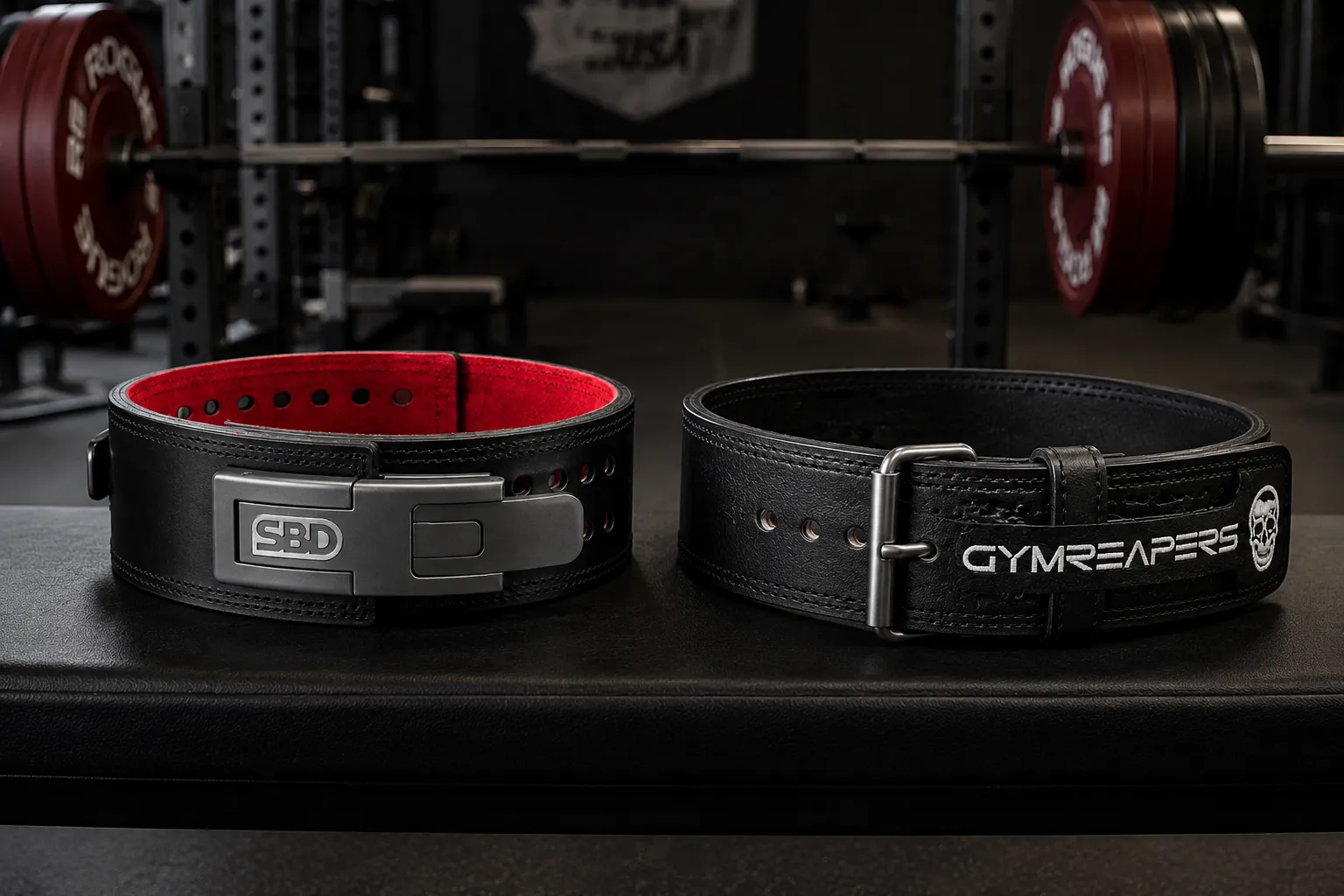
Lever vs Prong Lifting Belts
Compare adjustment, repeatability, buckle design and squat/deadlift use.
Compare belts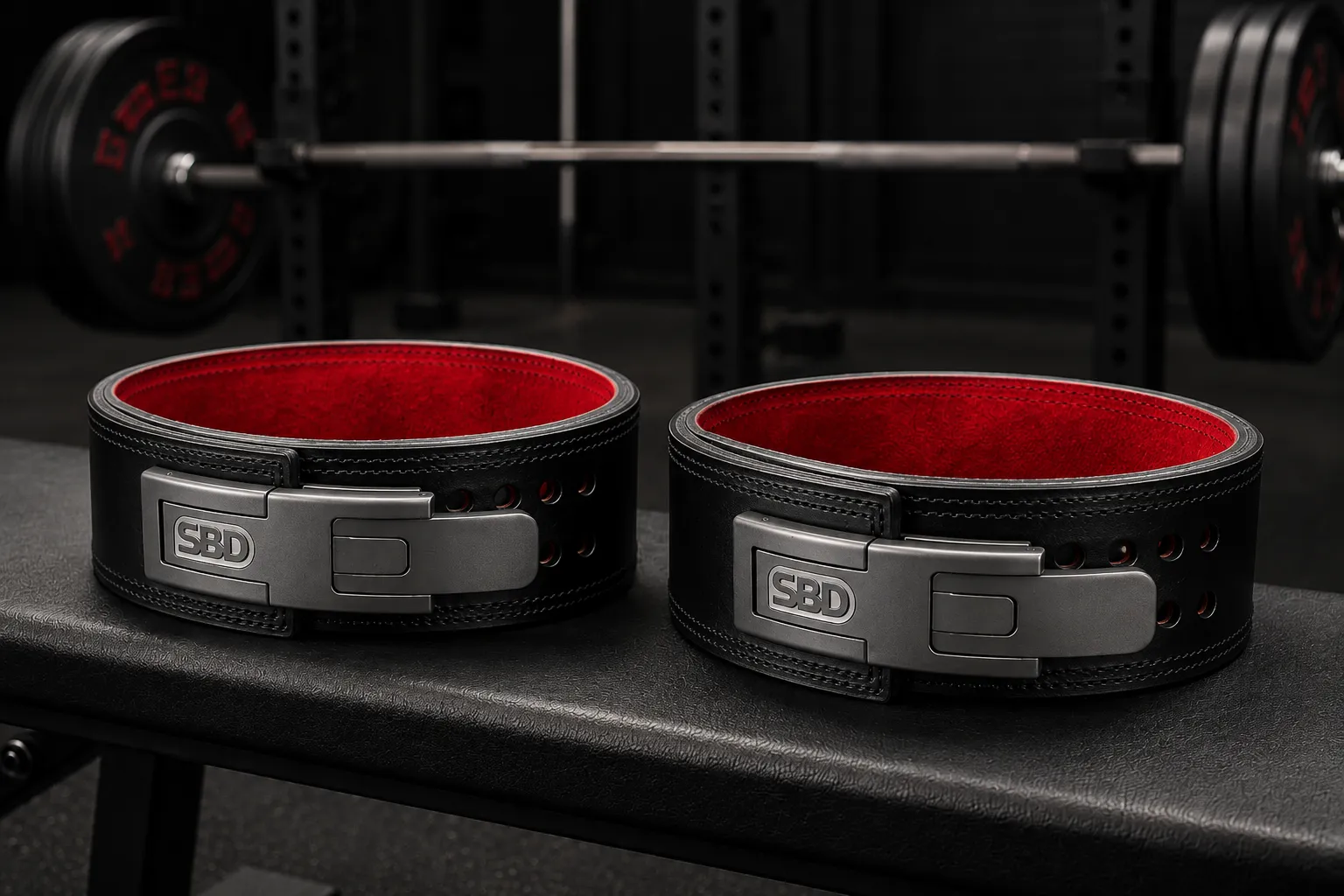
10mm vs 13mm Powerlifting Belts
Compare rigidity, break-in, torso comfort and training use before choosing thickness.
Compare thickness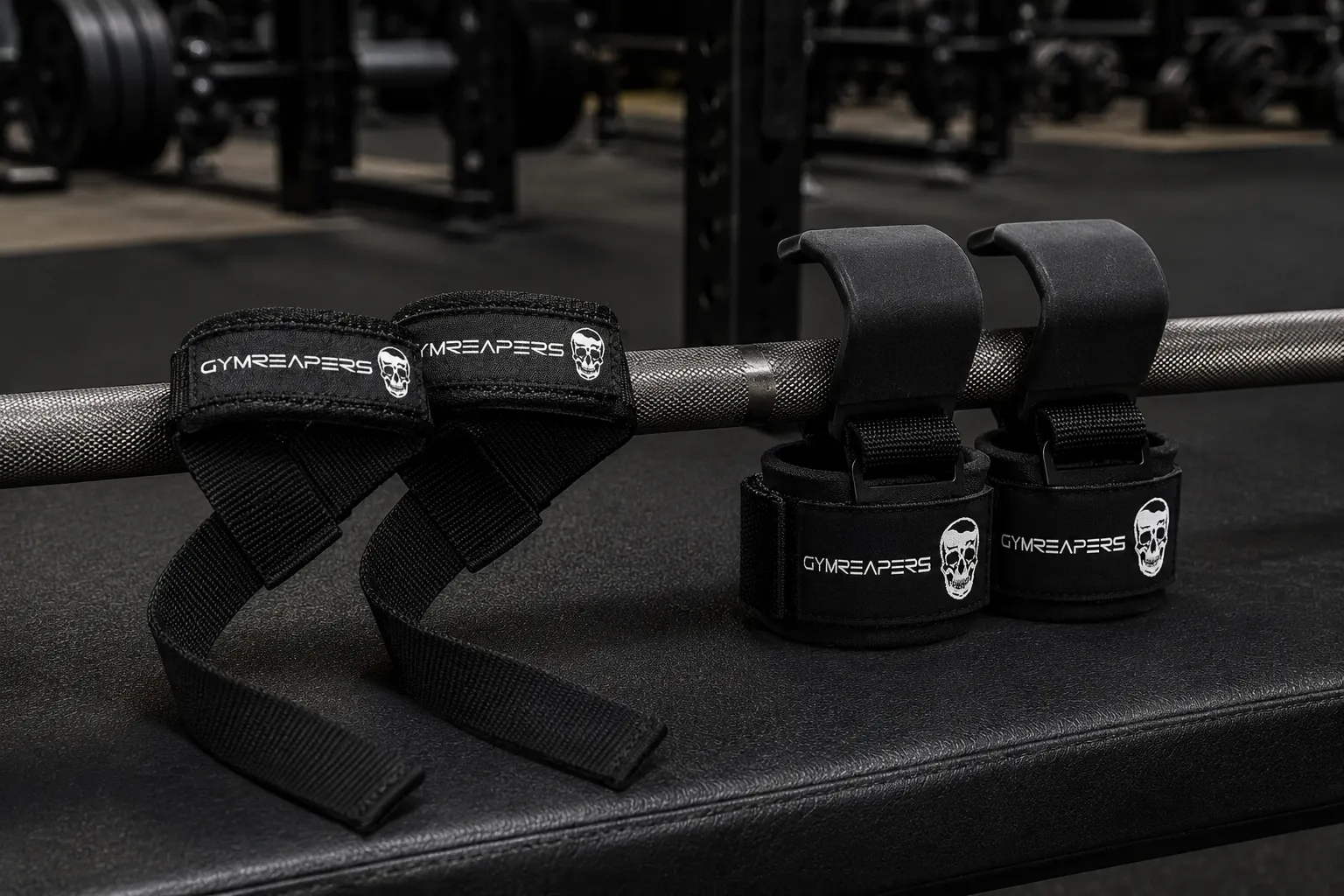
Lifting Straps vs Lifting Hooks
Compare setup speed, bar feel, grip fatigue and use for rows, shrugs and deadlift training.
Compare optionsHow We Review & Verify Gear
We keep product facts, editorial comparisons and competition-rule claims separate so you can see what kind of information you are reading.
- Product details: construction, dimensions, sizing and intended use are checked before they are presented as facts.
- Comparisons: we focus on concrete differences such as thickness, buckle design, fit, adjustment and training use rather than unsupported “best” scores.
- Competition status: federation approval is treated as model-specific. If exact approval cannot be verified, we do not label the product approved.
- Rule-sensitive guides: current federation rulebooks and official equipment lists take priority over old forum posts or marketing language.
Powerlifting Gear FAQ
Quick answers to common gear and meet-day questions, with deeper guides when you need them.
What powerlifting gear do I need for my first meet?
The exact requirements depend on the federation and division, but a typical raw meet setup includes a singlet, appropriate shirt, socks and footwear, plus optional permitted gear such as a belt, knee sleeves and wrist wraps. Use the first powerlifting meet checklist to plan the full day.
Do knee sleeves have to be federation approved?
For IPF competition, the exact sleeve must satisfy the current Approved List and technical rules. Other federations may use different equipment policies, so check the rules for the meet you are actually entering.
Should I choose a 10mm or 13mm powerlifting belt?
Neither thickness is automatically better. A 10mm belt is usually easier to break in and position, while 13mm gives a stiffer feel that some experienced lifters prefer. See the 10mm vs 13mm comparison.
How tight should powerlifting knee sleeves fit?
They should stay centered and provide firm compression without persistent numbness, tingling or preventing normal squat movement. Competition fit can be tighter than training fit; the knee sleeve sizing guide explains the trade-off.